
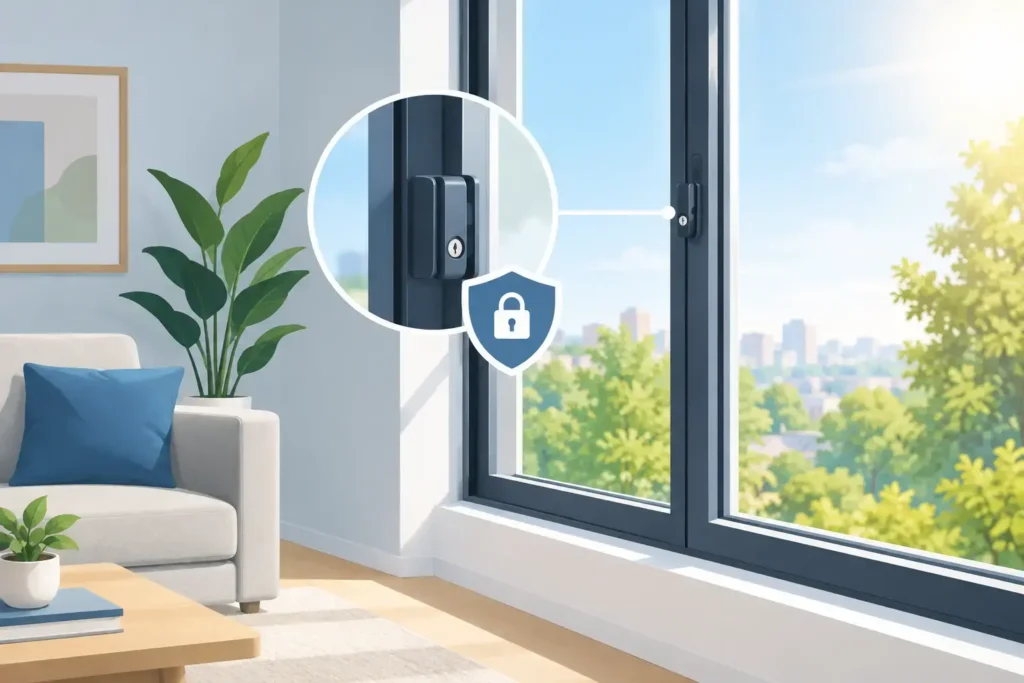
A window can be the brightest feature in a home, office, storefront, or vehicle – and one of its most exposed surfaces. Window security is not about turning every pane of glass into a barrier. It is about making glass harder to breach, reducing dangerous shattered glass, and giving people more time to respond when something goes wrong.
For Sydney property owners and business operators, professionally installed safety window film offers a practical way to improve protection while preserving natural light, views, and the appearance of the building. The right film can also add privacy, reduce UV exposure, and help create a more comfortable space. The key is matching the film and installation method to the glass, the setting, and the level of risk.
What Window Security Film Actually Does
Safety and security window film is a clear or lightly tinted polyester film bonded to the interior surface of glass. Its main job is to help hold broken glass together after impact. Rather than exploding into loose, hazardous fragments, the glass and film remain more contained in the frame or in a connected sheet.
That distinction matters. Standard glass can fail quickly when struck, creating an immediate opening and a significant cleanup and injury risk. A quality security film can delay entry attempts and reduce the amount of flying or falling glass caused by accidental impacts, break-ins, severe weather, or nearby disturbances.
Film does not make every window unbreakable. A determined person using enough force and time may still get through. What it does provide is resistance and delay. For many homes and businesses, that extra time can be enough for an alarm to activate, staff to respond, neighbors to notice, or intruders to decide the effort is no longer worthwhile.
Where Stronger Window Security Makes Sense
Security film is especially valuable where glass is easy to access or where broken glass would create a major safety concern. Ground-floor windows, glass entry doors, sidelights, shopfronts, office partitions, and rear doors are common starting points. Homes with glass near pools, busy outdoor entertaining areas, or children’s play spaces can also benefit from added shard retention.
For commercial spaces, the goal often combines safety, theft deterrence, and business continuity. A broken storefront does more than damage glass. It can interrupt trading, expose stock, create cleanup costs, and leave a premises vulnerable until repairs are complete. Film can help keep damaged glass more stable while the next steps are arranged.
In offices, safety film is often suited to internal glass walls, meeting rooms, reception areas, and doors. These areas may not be a burglary target, but they still benefit from reduced injury risk if glass is accidentally struck or broken. A clear film can maintain the open, polished look many modern workplaces want.
Vehicles and boats have different glass systems and uses, so the appropriate solution depends on the surface and application. An experienced installer can assess whether a particular film is suitable and recommend options that support visibility, comfort, privacy, or protection without compromising intended use.
Safety Film vs. Privacy Film vs. Solar Film
Window films can solve several problems, but they are not all designed for the same purpose. Choosing based on appearance alone can leave a property underprotected or unnecessarily dark.
Safety and security film is selected for its thickness, tear resistance, and ability to retain broken glass. It is the primary choice when impact protection and delayed entry are the priority. Depending on the product and installation, it may be clear, tinted, or combined with other performance features.
Privacy film limits visibility into a space. Frosted decorative film is popular for bathrooms, street-facing windows, offices, and glass partitions because it creates discretion without closing off daylight. Darker tinted films can add daytime privacy, although they do not provide the same effect after dark when interior lights are on.
Solar window film is designed to manage heat, glare, and UV exposure. It can make rooms more comfortable, reduce fading of furnishings, and ease the load on cooling systems. Some solar films also offer a degree of safety performance, but not every solar film is a security film. If security is a priority, it should be specified from the beginning rather than assumed.
A tailored solution may combine these benefits. For example, a street-facing office may need a safety film with solar control, while a home’s bathroom window may be better served by a frosted film paired with secure locks and appropriate glazing.
The Installation Details That Affect Performance
Premium film is only part of the result. Window security depends heavily on professional preparation and installation. Glass must be thoroughly cleaned, measured accurately, and fitted with a film appropriate for its type and condition. Poorly installed film can lift at edges, trap contamination, or fail to perform as intended when the glass breaks.
The frame matters too. A film can hold shattered glass together, but the entire glass-and-film assembly may still leave the frame under a heavy impact. For higher-risk locations, installers may recommend a structural attachment system that anchors the film to the frame. This helps the filmed glass stay in place longer after breakage.
Not every window needs the same treatment. A small bathroom pane, a large shopfront, a sliding glass door, and an internal office partition have different frames, glass types, exposure levels, and potential hazards. This is why an on-site assessment is more valuable than a one-size-fits-all recommendation.
Professional installers should also consider whether the glass is annealed, tempered, laminated, insulated, or otherwise specialized. Applying the wrong film to the wrong glass can affect appearance or thermal performance. Expert guidance helps protect the investment and supports a flawless finish.
Building a Sensible Security Plan Around Glass
Film works best as part of a broader approach. It adds a valuable layer at a vulnerable surface, but it should not replace sound locks, lighting, alarms, and property awareness.
Start by looking at your property from outside. Are there secluded windows hidden by landscaping? Is there glass beside a door lock that could be broken to gain access? Are valuables clearly visible from the street? Does a business have a large expanse of front glass with no after-hours deterrent? These are useful questions because they focus improvements where they will have the most impact.
For a home, stronger locks, well-lit entries, trimmed shrubs, and security film on accessible glass can work together without changing the character of the property. For a commercial site, film can complement monitored alarms, shutters where appropriate, secure stock storage, and clear after-hours procedures.
There is also a safety consideration beyond intrusion. Glass near walkways, doors, furniture, or active family spaces is more likely to be struck accidentally. In these settings, retaining shattered glass can be as important as discouraging a break-in.
Questions to Ask Before Choosing a Film
Before proceeding, ask what problem you are solving first. Is your priority break-in deterrence, shattered-glass protection, privacy, glare reduction, UV control, or a combination? The answer determines the film type, thickness, shade, and whether frame attachment should be considered.
Ask about the specific product’s intended application, warranty, appearance from both sides of the glass, and maintenance requirements. Also ask whether the proposed solution is suitable for your existing glazing. Clear answers here prevent disappointment later, particularly for large glass areas or premium architectural finishes.
Cost should be viewed against the role the film plays. A lower-cost decorative film may be right for privacy, but it is not an equivalent substitute for security film. Likewise, the highest level of security treatment may be unnecessary for a low-risk internal window. The best value comes from using premium materials where performance matters and choosing the right specification for each location.
Protect the View, Strengthen the Glass
Good security should not make a property feel closed in. The most effective window film solutions preserve the light, style, and openness that glass brings while adding practical protection where it counts.
At Prestige Tinting, an expert installation team can assess your glass, your priorities, and the conditions around your property to recommend a solution that delivers outstanding results. A professionally fitted safety film is a quiet improvement, but when glass is challenged, its value becomes very clear.