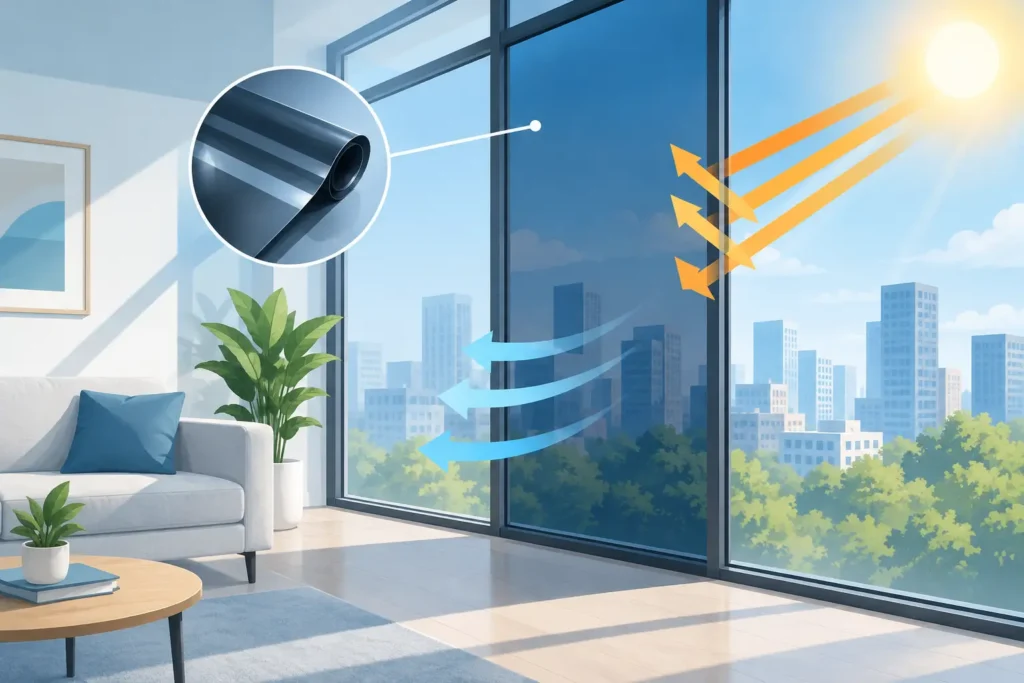
A sun-filled room, vehicle, or office can look impressive until the heat builds, screens become hard to see, and air conditioning has to work overtime. Solar control window film is a practical way to manage that direct sun without giving up the views and natural light that make glass such a valuable feature.
For Sydney properties, vehicles, and boats exposed to strong daylight, the right film can make a noticeable difference from the first warm afternoon. It helps reduce solar heat, cuts uncomfortable glare, and filters ultraviolet radiation that can fade interiors over time. The result is a more comfortable space that looks polished and performs better year-round.
What Solar Control Window Film Does
Solar control film is applied to the inside surface of glass to limit the amount of solar energy entering through a window. Depending on the film selected, it can reject a significant share of infrared heat while still allowing useful daylight into the space.
That distinction matters. Not every dark-looking film is equally effective at controlling heat, and not every high-performance film needs to make a window look dark. Modern ceramic and spectrally selective films can provide excellent heat rejection with a lighter, more natural appearance. For homeowners and business owners who value clear views, that balance is often the deciding factor.
The film also reduces glare, which is particularly useful in rooms with televisions, computer screens, glossy surfaces, or large west-facing windows. In vehicles, glare reduction can improve driving comfort, while on boats it can make time on the water more enjoyable when the sun is reflecting off the water.
The Everyday Benefits of Solar Control
Heat reduction is usually the first reason people consider window film, but the benefits extend well beyond a cooler interior. Glass is often the weak point in a building envelope, especially on larger windows that receive direct afternoon sun. Film helps reduce the solar load entering that glass, so cooling systems do not need to compensate as aggressively.
This can support more consistent temperatures in living areas, offices, shopfronts, and cabins. It does not replace insulation, air conditioning, or quality glazing, but it can be a smart upgrade when replacing existing windows is unnecessary or cost-prohibitive.
Solar films also block up to 99% of harmful UV rays. UV exposure is a major contributor to fading in flooring, upholstery, artwork, timber finishes, dashboards, and marine interiors. Heat and visible light can still contribute to fading, so no film can promise complete prevention. However, limiting UV exposure is an effective first line of defense for the surfaces and belongings you have invested in.
Privacy can be another welcome advantage. Reflective or darker films may reduce visibility into a space during the day, while lighter films provide heat control with minimal change to the appearance of the glass. The right choice depends on whether comfort, privacy, aesthetics, or a combination of all three is the priority.
Choosing the Right Film for Each Space
The best solar control solution is never one-size-fits-all. A film that works beautifully on a sunny home office may not suit a luxury vehicle, a waterfront apartment, or a commercial building with large glass panels.
Homes: Keep the Light, Reduce the Heat
Residential window film is ideal for rooms that become difficult to use during hot periods. Think living rooms with expansive glass, bedrooms that receive early morning sun, kitchens with skylights, and upper-floor spaces that trap heat.
A lighter solar film is often a strong choice when homeowners want to maintain daylight and an open feel. More reflective options may be suitable where heat gain and daytime privacy are the main concerns. The glass type, window orientation, room use, and existing furnishings should all guide the recommendation.
It is also worth considering the appearance from outside. Some films create a subtle uniform finish across glass, while others have a more reflective look. A professional consultation helps ensure the film complements the property rather than becoming an afterthought.
Offices and Commercial Buildings: Better Comfort at Work
Hot, glare-heavy offices can affect concentration, screen visibility, and employee comfort. Blinds can help, but they often block the view and reduce daylight completely. Solar control film allows businesses to manage heat and glare while retaining a brighter, more professional workplace.
For offices, the ideal film often balances visible light transmission with solar performance. A very dark film may be unnecessary in a workspace that needs natural light, while a clear high-performance film can reduce heat with minimal visual change. Boardrooms, reception areas, retail storefronts, and perimeter offices near large windows are common candidates.
Commercial clients should also consider the building’s existing glass. Certain double-pane, coated, or specialty glazing systems require compatible film selections. Applying the wrong product can increase thermal stress in some glass types, which is why experienced assessment matters before installation.
Vehicles: Cooler Drives and Interior Protection
Car window tinting with solar-control properties helps reduce the heat that builds up when a vehicle is parked or driven in full sun. It can make the cabin more comfortable, reduce glare for passengers, and help protect leather, trim, and electronics from ongoing UV exposure.
Performance should not come at the expense of legality or visibility. Permitted tint levels vary by location and window position, particularly for front side windows and windshields. A professional installer can recommend a compliant option that delivers meaningful heat rejection while maintaining safe visibility and a refined finish.
The quality of the film is just as important as its shade. Premium ceramic films are popular because they reject heat without relying solely on darkness or heavy metal content. They can also be a good choice for drivers who want strong performance with a clean, modern look.
Boats: Protection for Life on the Water
Marine interiors face a demanding combination of sun, salt air, humidity, and reflected glare. Solar control film can improve comfort inside a cabin, reduce glare through windscreens and side glass, and help protect upholstery, timber, and electronics.
Boat tinting requires careful product selection and precise installation. Curved glass, marine conditions, and visibility requirements can all affect the best approach. A film designed for automotive or residential use is not automatically the right choice for every marine application.
What to Look for Beyond Tint Shade
Visible light transmission, often called VLT, indicates how much visible light passes through the glass and film. A lower VLT means a darker appearance, but darkness alone does not measure heat rejection. Two films with similar shades can perform very differently under the sun.
Other useful measures include total solar energy rejected and infrared rejection. These figures help show how effectively a film limits the heat you feel inside the space. For buildings, a lower solar heat gain can be valuable, particularly on windows with long periods of direct exposure.
Appearance still matters. Films are available in neutral, charcoal, reflective, and nearly clear finishes. The best choice is one that meets the practical goal without making the glass look out of place. Prestige Tinting uses premium materials and tailored recommendations so customers can choose performance that suits the property, vehicle, or vessel rather than simply selecting the darkest option.
Why Professional Installation Makes the Difference
Window film is only as good as the installation behind it. Proper preparation, accurate cutting, clean application, and careful finishing are essential for a smooth result. Dust, poor edge work, trapped moisture, and incorrectly selected film can undermine both appearance and durability.
Professional installers also assess the glass before work begins. Older windows, double-pane units, laminated glass, and glass with existing coatings may need a specific type of film. This step protects the window and helps ensure the product performs as expected.
After installation, film needs time to cure. Small water pockets or a slightly hazy appearance can be normal during the initial curing period, particularly in cooler or humid conditions. These typically settle as moisture evaporates through the film. Following the installer’s aftercare guidance helps preserve a flawless finish.
A Smarter Way to Manage Sunlight
Solar control is not about making every window dark. It is about choosing the right level of heat reduction, glare control, UV protection, privacy, and style for the way you use a space. A well-selected film lets you enjoy the glass you already have while making it more comfortable and practical.
Whether the goal is a cooler family room, a more productive office, a protected vehicle interior, or a more enjoyable day on the water, the right film should feel like a considered improvement, not a compromise. Start with the sun exposure, the glass, and the outcome you want most – then let professional advice turn that goal into lasting results.