A hot dashboard, a glare-filled office, and faded flooring near a west-facing window all have the same cause: sunlight is passing through glass with very little resistance. A solar tint review should look beyond the darker appearance of window film and focus on what it changes day to day – cabin comfort, room temperature, glare, UV exposure, privacy, and the long-term condition of your interiors.
Professionally installed solar film can be a high-value upgrade for cars, homes, workplaces, and boats. The right product makes glass work harder without taking away the natural light or views that made the space appealing in the first place. But not every film is right for every window, and the best choice depends on the direction of the sun, the type of glass, your privacy goals, and how you use the space.
Solar Tint Review: What Professional Film Delivers
Solar tint is a window film designed to manage solar energy before it enters through glass. Depending on the film selected, it can reject a substantial portion of heat, reduce harsh glare, filter damaging UV rays, and improve privacy during daylight hours.
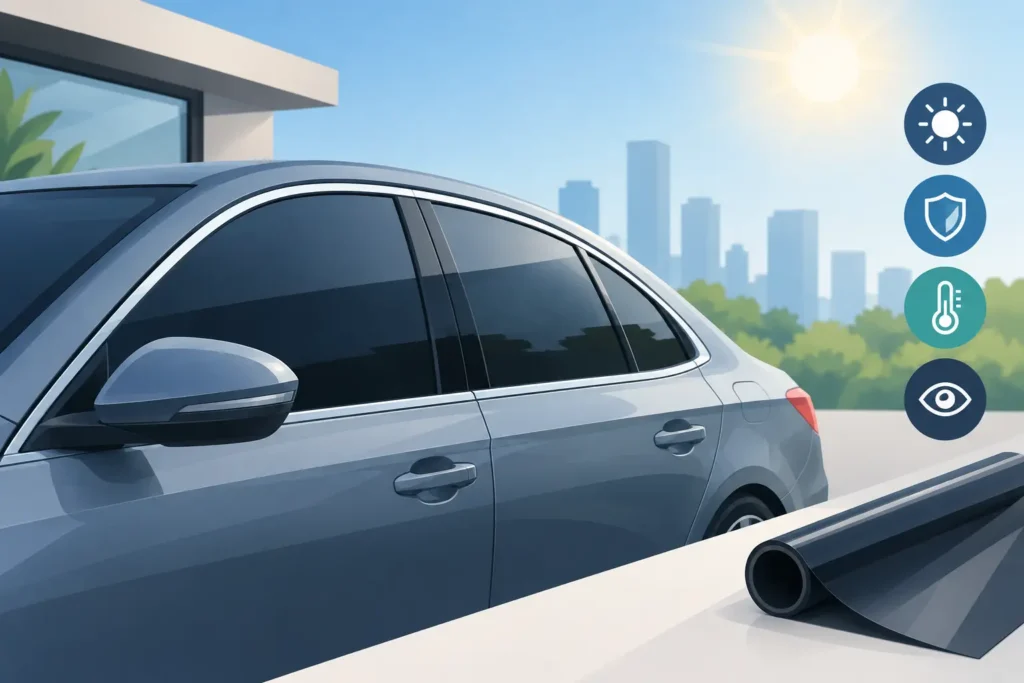
For vehicle owners, that can mean a cooler cabin, less eye strain, and better protection for leather, trim, and electronics. For homeowners and businesses, it can mean rooms that are more comfortable to use throughout the afternoon, fewer hot spots near windows, and less pressure on air conditioning.
The strongest results come from matching the film to the application. A dark car tint may suit a driver seeking privacy and style, while a nearly clear ceramic film may be the better option for a windshield or a home with valuable views. Likewise, a reflective commercial film can be effective on a sun-exposed office facade, but it may not suit a residence where a softer, more natural appearance is preferred.
Heat Reduction Without Closing Off the Light
The most common reason to consider solar tint is heat control. Untreated glass can allow solar energy to build quickly inside a car or room, especially when windows face north or west. In Sydney, this is often most noticeable during long summer afternoons, when direct sun turns a living area, office, or parked vehicle into an uncomfortable space.
Premium solar films use dyed, metallic, carbon, ceramic, or multi-layer technology to reduce the heat passing through the glass. Ceramic films are particularly popular where high heat rejection is needed without a very dark finish or signal interference. They are a strong option for modern vehicles and for property owners who want performance with a clean, understated look.
Film will not turn a glass-heavy room into a cool room with no air conditioning. That expectation is unrealistic. It can, however, noticeably reduce the intensity of direct sunlight and help the room retain a more even temperature. In a car, the benefit is often felt immediately when entering after it has been parked outside.
UV Protection for Interiors That Matter
Sunlight does more than create heat. Ultraviolet exposure contributes to fading, discoloration, and deterioration in upholstery, timber floors, artwork, curtains, dashboards, and marine finishes. Quality solar films commonly block up to 99% of UV rays, adding a valuable protective layer to the glass.
This benefit is particularly worthwhile for homes with large windows, offices with furniture near the perimeter, and boats where upholstery and trim are regularly exposed to open-water sunlight. UV protection does not eliminate every cause of fading – visible light and heat can also play a role – but it significantly reduces one of the most damaging contributors.
For people who spend long periods driving, UV-filtering film can also provide added protection through side and rear windows. The windshield already has a laminated construction in many vehicles, but side glass can offer less protection without a suitable film.
Where Solar Tint Performs Best
Cars and SUVs
A professional automotive tint improves more than the vehicle’s appearance. It cuts glare from surrounding traffic and low afternoon sun, helps reduce interior heat, and gives passengers greater privacy. Film shade matters, but darkness is only one part of performance. A lighter ceramic film can outperform a darker basic film when heat rejection is the priority.
Legal tint limits must be considered before installation. These rules vary by window and vehicle type, so a professional installer should recommend a compliant film rather than simply choosing the darkest available option. A clean installation also matters. Poorly fitted tint can bubble, lift at the edges, interfere with visibility, and make an otherwise well-kept vehicle look neglected.
Homes
Residential solar film is especially effective in rooms with direct exposure, such as living areas with wide glazing, bedrooms that overheat late in the day, and home offices where screen glare affects productivity. It can preserve a bright interior while taking the edge off the sun.
The right level of reflectivity is a key decision. Highly reflective film can deliver strong daytime privacy and heat control, but it changes the exterior appearance of the home and may produce a more mirrored look. Neutral and low-reflective films offer a subtler finish, making them a better match for many established homes and view-focused properties.
At night, standard solar film does not create complete privacy when interior lights are on. If privacy is the main concern, decorative frosting, blinds, curtains, or a dedicated privacy film may be the more suitable solution.
Offices and Commercial Spaces
In an office, glare is often as disruptive as heat. Employees seated near windows may struggle to read monitors, conduct video calls, or work comfortably during certain hours. Solar film reduces the sharp contrast caused by direct sunlight without forcing the business to keep blinds closed all day.
It can also support a more polished workplace. Consistent glazing can improve the building’s appearance from the outside, while a neutral interior look keeps the workspace professional and welcoming. For offices with high cooling costs, solar film may help reduce the load on air conditioning, although the actual savings depend on window area, insulation, HVAC efficiency, and operating hours.
Boats
Marine tinting needs to handle intense UV exposure, reflected light off the water, moisture, and the visual demands of the vessel. A quality marine film can improve comfort in cabins and enclosed helm areas while helping protect finishes and upholstery.
The film must be selected carefully for the glass and the boat’s operating conditions. Visibility, navigation, and the appearance of the vessel should all be part of the recommendation. This is not an area for generic film or rushed installation.
What a Solar Tint Review Should Compare
A worthwhile comparison should not stop at the tint shade. Ask about visible light transmission, heat rejection, UV filtering, glare reduction, reflectivity, warranty coverage, and compatibility with your glass or vehicle.
Visible light transmission refers to how much light passes through the film and glass combination. Lower transmission means a darker result. Heat rejection tells a more useful comfort story, but the advertised figure should be understood in context. Different brands may measure performance differently, and final results depend on the original glass, film type, and angle of sunlight.
For property glass, compatibility is essential. Some films are not suitable for certain double-pane, laminated, textured, or coated windows because they may alter heat stress within the glass. A professional assessment reduces the risk of choosing a film that looks good initially but is not appropriate for the window system.
Installation quality deserves equal attention. Premium materials can still disappoint if they are cut inaccurately, contaminated during application, or finished poorly around edges and seals. Experienced installation provides the smooth, durable finish that customers expect from a premium tinting service.
The Trade-Offs to Consider Before Tinting
Solar tint is practical, but it is not a one-film-fits-all product. Darker film can increase daytime privacy and reduce glare, yet it may also make a room feel less open or reduce night visibility in a vehicle. Highly reflective films can enhance heat control but may not suit every building style or strata requirement.
Cost also varies with the size and shape of the glass, film technology, access requirements, and preparation work. Basic film can appear attractive on price, but it may not provide the durability, clarity, color stability, or heat performance that makes professional tinting a lasting investment.
For this reason, tailored advice matters. Prestige Tinting assesses the way each vehicle, home, office, or boat is used before recommending premium materials and a finish that suits both performance goals and appearance.
The best solar tint is the one you barely notice until the sun is at its harshest. When a room stays comfortable, a screen remains clear, a vehicle feels cooler, and furnishings keep their color longer, the value of professional film becomes part of everyday life.