A dark film may look sharp on a vehicle parked in Bondi, but the best tint is not always the darkest one. When you choose tint darkness, you are balancing privacy and appearance with visibility, heat reduction, local rules, and the way you actually use the space. The right choice should feel comfortable every day, not just look good on installation day.
Tint darkness matters across every application. A commuter car needs clear outward visibility in changing light. A sun-facing living room may need serious glare control without making the room feel closed in. An office might benefit more from a light solar film than a heavily tinted finish. The answer depends on the glass, the exposure, and the result you want.
What Tint Darkness Actually Means
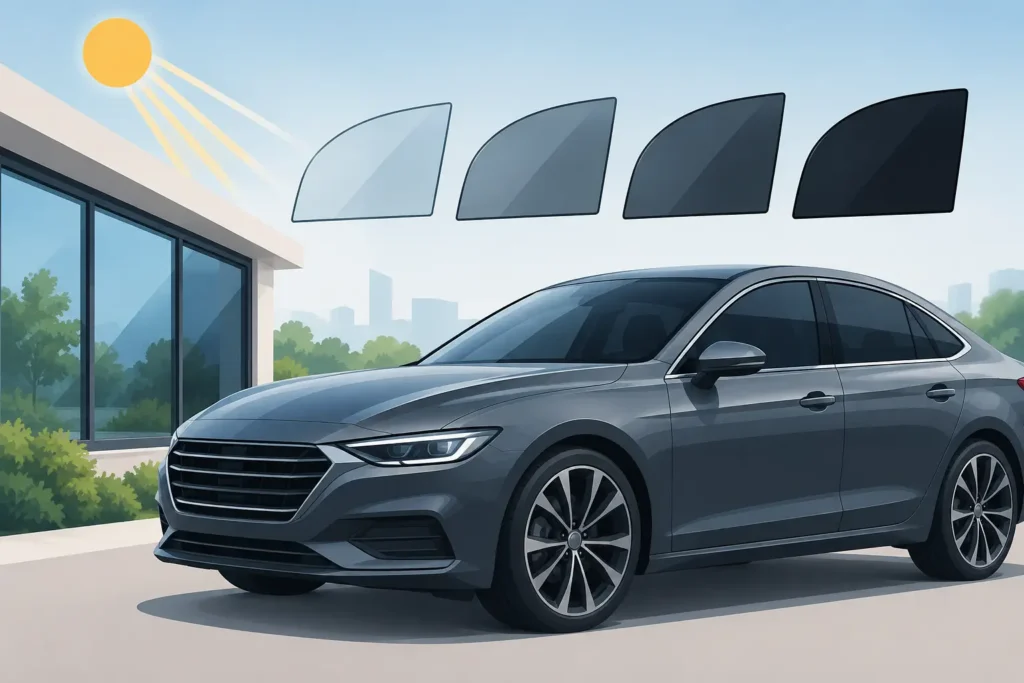
Window tint darkness is commonly described by visible light transmission, or VLT. This is the percentage of visible light that passes through the glass and film together. A higher VLT percentage means more light enters, so the tint appears lighter. A lower percentage means less light enters and the film looks darker.
For example, a 35% VLT film allows more visible light through than a 20% VLT film. A 5% VLT film is very dark and offers strong daytime privacy, but it can significantly reduce visibility at night.
The important detail is that VLT is not the same as heat rejection or UV protection. Premium window films can block a high percentage of UV radiation and reject substantial solar heat while still looking relatively light. That distinction gives homeowners, drivers, and business owners far more flexibility than choosing between clear glass and a dark finish.
Choose Tint Darkness Based on the Job
A film that works beautifully on one piece of glass can be wrong for another. Before selecting a shade, consider where the glass is located, how much sun it receives, and what the room or vehicle needs to do.
Cars: Style, comfort, and safe visibility
For car owners, tint darkness is often the first visual decision. Darker rear windows can create a more private, refined appearance while helping reduce glare and keeping the cabin cooler. However, darkness should never compromise your ability to see clearly when reversing, changing lanes, or driving on unlit roads.
A medium tint is often a practical choice for drivers who want a noticeable upgrade without making nighttime visibility difficult. Darker options can suit rear passenger windows when privacy is the main priority, especially for families, executives, or drivers carrying valuable equipment.
Front-side windows and windshields require particular care. Automotive tint laws vary by jurisdiction and can limit the permitted VLT on different windows. Existing factory glass may already reduce light transmission, too, so the final reading is based on the glass and film combined. A professional installer can measure the glass, explain compliant options, and help avoid a result that creates issues at inspection time.
Homes: Keep the view, reduce the harsh sun
For residential windows, the darkest film is rarely the automatic answer. A very dark film may improve daytime privacy and reduce glare, but it can also change the character of a room. In a naturally dim lounge, bedroom, or kitchen, that may not be a worthwhile trade-off.
Light to medium solar films are often the better fit for Sydney homes with broad views, large glass doors, or bright north- and west-facing windows. They can reduce heat, glare, and UV exposure while preserving a more natural level of daylight. This helps protect flooring, artwork, furniture, and curtains from fading without making the home feel shaded all day.
If privacy is the main concern, consider when you need it. Reflective or darker solar films can provide excellent daytime privacy, but they do not necessarily provide the same effect once interior lights are on at night. For bathrooms, entry sidelights, meeting rooms, or glass partitions, decorative frosting may be a better solution because it provides consistent privacy while still allowing light through.
Offices and commercial spaces: Comfort without a cave-like feel
Workplaces benefit when glare is controlled without making screens harder to read or interiors noticeably darker. Film choice should account for desk placement, monitor use, customer-facing areas, and the direction of the sun.
A lighter high-performance solar film can be particularly effective in offices with large windows. It helps reduce heat buildup and eye strain while maintaining an open, polished look. For boardrooms and private offices, frosted film can create privacy without relying on dark glass or blinds.
Retailers and hospitality venues may prefer a darker or more reflective finish where visual impact, cooling, and daytime privacy are key. Even then, the exterior appearance should be considered alongside the interior experience. The aim is a premium finish that supports the space rather than making it feel disconnected from the street.
Boats: Sun protection with clear sightlines
On the water, glare and heat can become intense quickly. Boat tinting should protect passengers and interiors while preserving the sightlines needed for safe operation. A medium or lighter solar-control film is often a strong choice for windshields, cabins, and enclosed areas where visibility matters.
Darker films may work well on side windows or rear sections where privacy is more valuable and navigation is not affected. Marine environments are demanding, so quality materials and careful installation matter as much as the shade itself.
Heat Rejection Is Not Just About Dark Film
One of the most common assumptions is that darker tint always means cooler glass. Darker films do reduce visible light, which can make a space feel less harsh, but heat performance depends on the film technology.
Premium ceramic and spectrally selective films can reject a significant amount of solar energy while maintaining a lighter appearance. This is useful for people who want a bright home, office, or vehicle cabin but still need meaningful heat and UV protection.
If your priority is lowering air-conditioning demand, protecting interiors, or making a glass-heavy room more usable in summer, ask about solar performance rather than selecting a shade from a sample alone. A professional recommendation should consider the window orientation, glass type, size of the glazing, existing blinds or curtains, and your comfort expectations.
Consider Daytime and Nighttime Privacy Separately
Tint can improve daytime privacy by making it harder to see into a brighter interior from outside. But when the lighting reverses at night, the effect changes. If your home or office is lit and it is dark outside, people may still be able to see through tinted windows.
That does not mean tint is the wrong choice. It simply means the right solution may combine solar film with curtains, blinds, or frosted film in areas that require reliable privacy after dark. This is especially relevant for street-facing bedrooms, ground-floor living areas, and commercial consultation rooms.
Test the Shade Before You Commit
Tint samples look different depending on the glass behind them, the direction of the sun, and the colors inside the room or vehicle. A sample held against a showroom window cannot fully predict how it will look on your own property or car.
View film samples against the actual glass where possible. Look at them from inside and outside, in full sun and shade. For vehicles, think about your regular driving conditions: early starts, night driving, parking garages, rain, and poorly lit streets. For buildings, consider which rooms receive harsh afternoon sun and which spaces already need as much natural light as possible.
A quality installation should also be visually clean. Poorly fitted dark film can make imperfections more noticeable, while premium materials and experienced workmanship create the uniform, long-lasting finish the investment deserves.
Let the Purpose Lead the Final Choice
The best tint darkness is the one that solves your main problem without creating a new one. If glare is ruining your afternoon in a west-facing room, a high-performance solar film may be more valuable than the darkest available option. If your car needs more privacy for rear passengers, a darker rear tint may make sense while keeping forward visibility practical. If a glass office needs confidentiality, frosting may be the smarter choice.
Prestige Tinting helps Sydney customers match premium film to the way they drive, live, work, and spend time on the water. A tailored recommendation takes the guesswork out of shade selection and focuses on top-quality results that continue to perform long after installation.
Start with the discomfort you want to fix – excessive heat, glare, fading, lack of privacy, or a tired appearance – and let that guide the darkness. The right film should make your glass look better while making every trip, room, and workspace more comfortable to use.